Written by Sam Knowlton
Edited by Léah Champagne
While it is usually a lifelong dream for designers to be given a spotlight at Paris Fashion Week, it did not even require a single official release for former streamer Kai Cenat. Out of all the appearances during the week, Kai Cenat’s new brand, VIVET, stuck out like a sore thumb. Completely out of left field, this influencer-turned-designer spectacle might actually signal the start of a new norm.
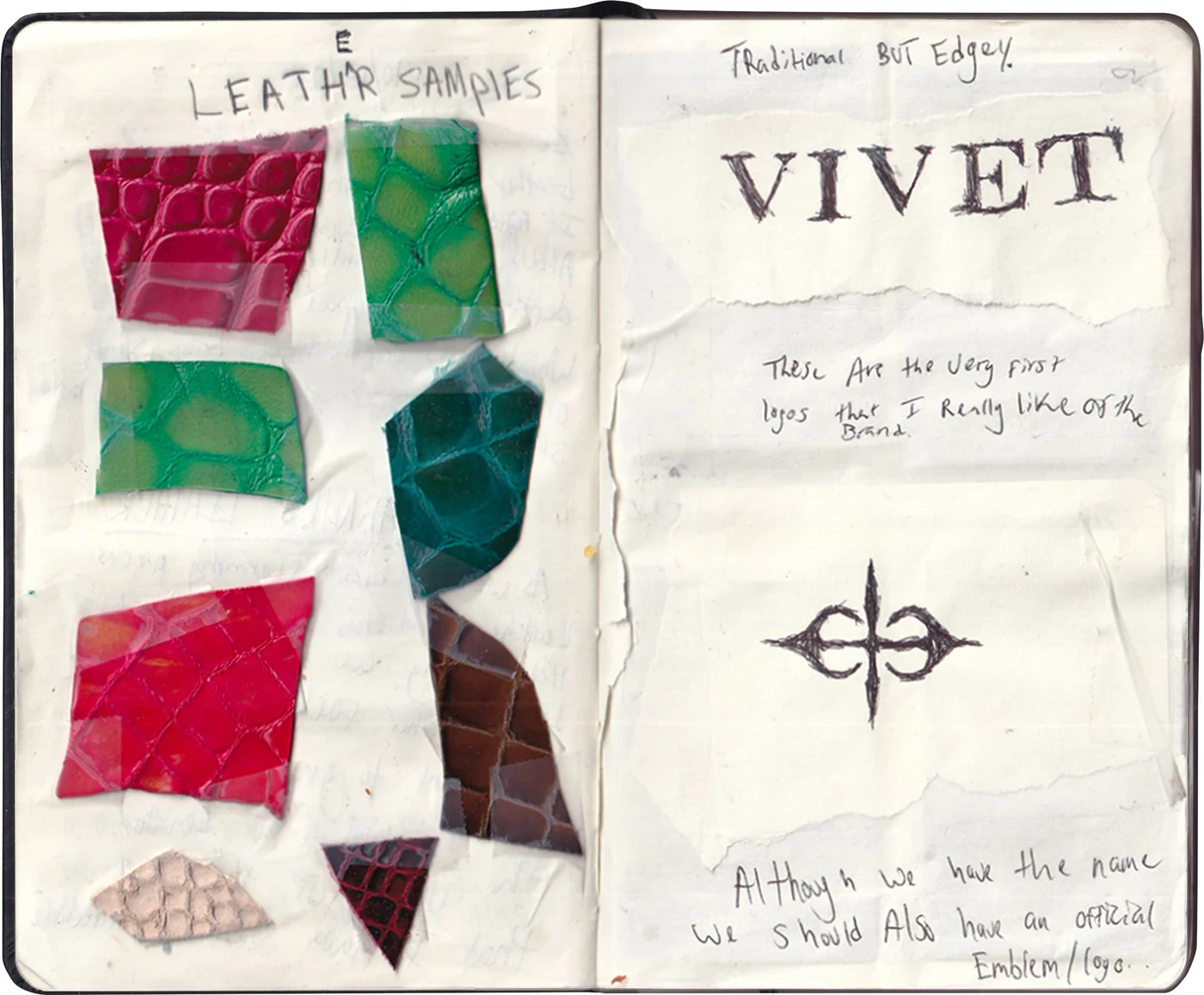
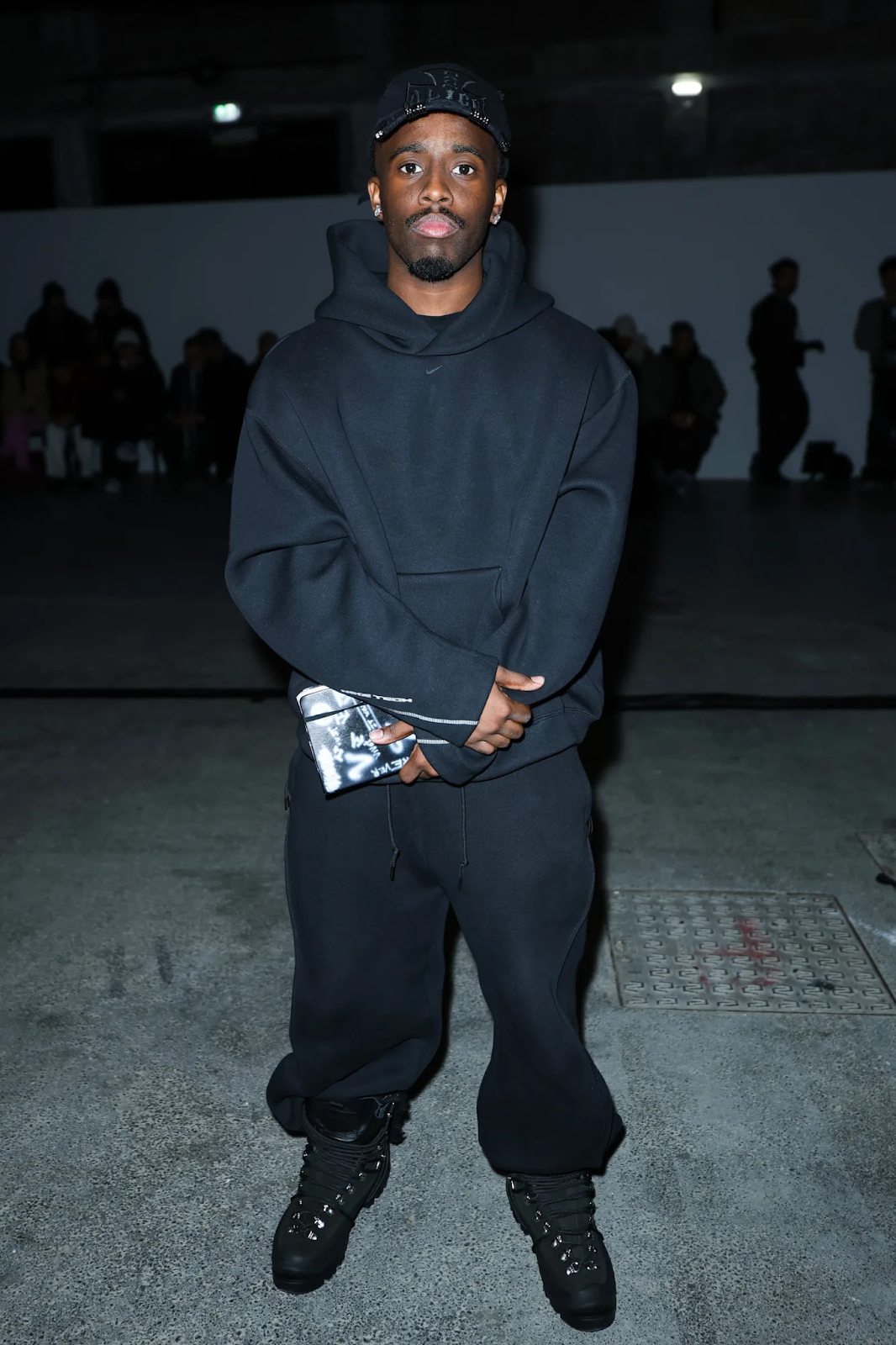
With just a notebook in hand and no clothes to show, the creator of Vivet still managed to make an impression at the 424 AW26 Men’s show. His unassuming all-black hoodie only added to the mystery surrounding the new label. So far, we have only seen teasers, essentially unfinished ideas released strategically to build anticipation. From what has been shared, Vivet appears to sit somewhere between luxury and streetwear. Early sketches and mockups give off heavy Chrome Hearts vibes, though it is still unclear what the brand’s true crux will be.
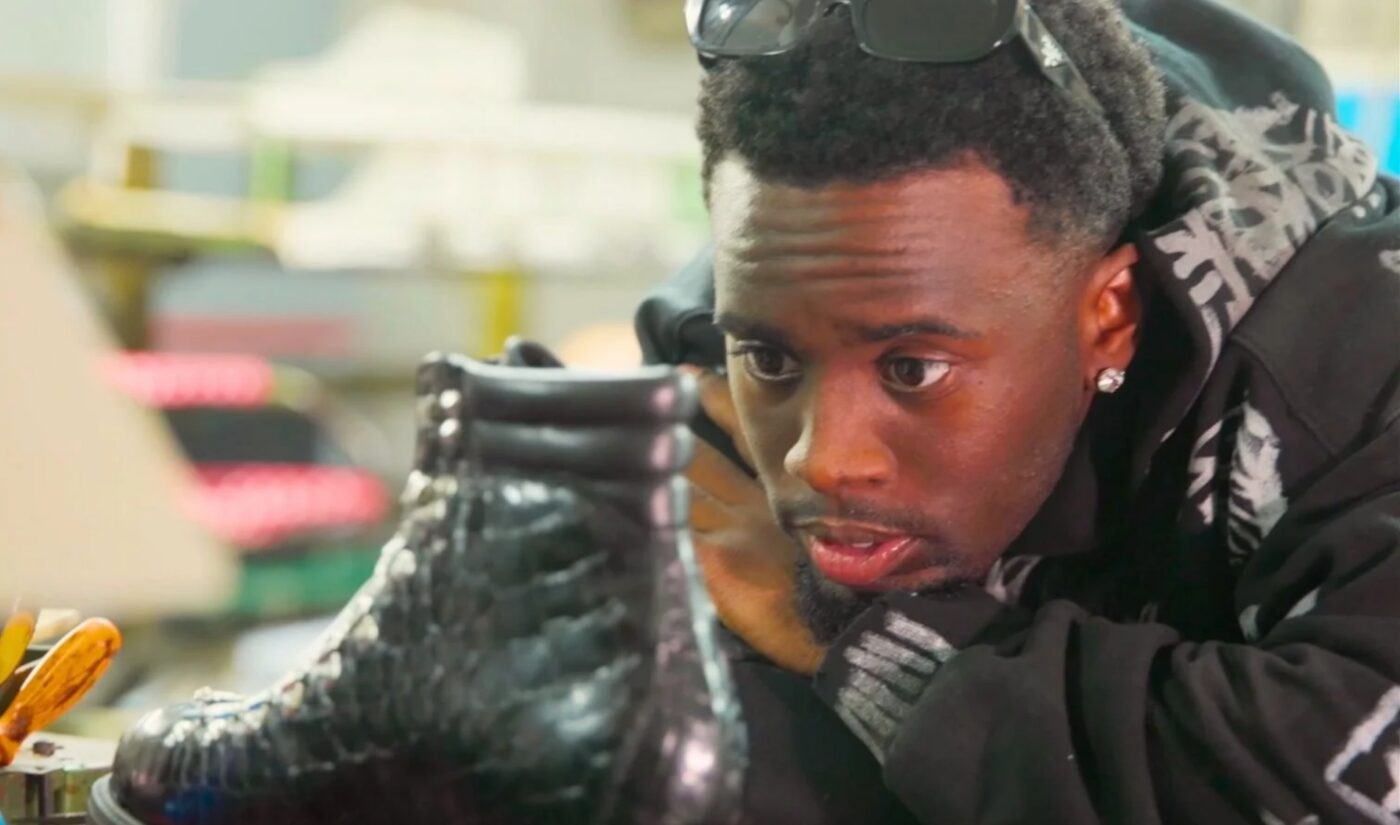
What makes it more interesting is that there may be real substance behind the vision. Kai’s visit to Italian leather ateliers to oversee the production of a future boot release suggests this is not simply a merch extension disguised as fashion. If those production choices translate into tangible quality, Vivet could lean closer to legitimate luxury than many expected. At the same time, until finished products are released and worn by people outside of his audience, the entire rollout remains speculative. The mystique could represent careful brand building, or it could simply be amplified hype.
That uncertainty is what makes this moment worth paying attention to. Influencers entering fashion is no longer surprising. While collaborations are commonplace in the industry, the difference now seems to be scale and ambition. Usually, influencers reach into the design space through existing brand collaborations; think Bad Bunny x Adidas, Hailey Bieber with Fila, Travis Scott and Jordan, etc. Starting their own brands is far rarer; maybe the most successful to date is Kim Kardashian with Skims. However, it is needless to say that after a couple more successful start-ups, we could begin to see a new wave of early influence turning into labels with independent infrastructure, supply chains, and long-term positioning. Cultural capital can be converted directly into long-term stability and ownership.
For decades, access to fashion’s upper tier required either ages of institutional backing or years of industry credibility. Now, the audience itself functions as leverage. A creator with millions of followers can generate attention that rivals emerging designers with formal training. Gatekeeping of the fashion industry will somewhat maintain itself, but the floodgates are starting to loosen up.
Vivet’s presence at Paris Fashion Week may not immediately redefine fashion itself, but it does reflect an evolving power structure. If influencers continue investing in real production rather than just visibility, this could mark a new phase where influence and design are no longer mutually exclusive. It is going to be important to keep an eye on this prospective brand’s evolution, as its success would truly mark a first. I would not be surprised if Vivet’s vision succeeds; there will be many more industry pivots into original fashion labels in the years to come. However, who knows how this iteration will end up? It will be up to the consumer to decide whether this will become a market trend or simply a case of overambition trying to capitalize on an existing audience.