
Written by Sam Knowlton
Edited by Sarah McDonald
We often think of racing-style jackets as synonymous with fashion and streetwear, but it hasn’t always been this way. In fact, the modern, logo-covered racing jacket we know and love today took decades to fully emerge. Today, let’s dive into the history of this icon of the fashion landscape: the origins of the racing jacket, how it got its characteristic look, and when it finally earned its spot as a staple in vintage and contemporary streetwear.
The Racing Jacket is Born
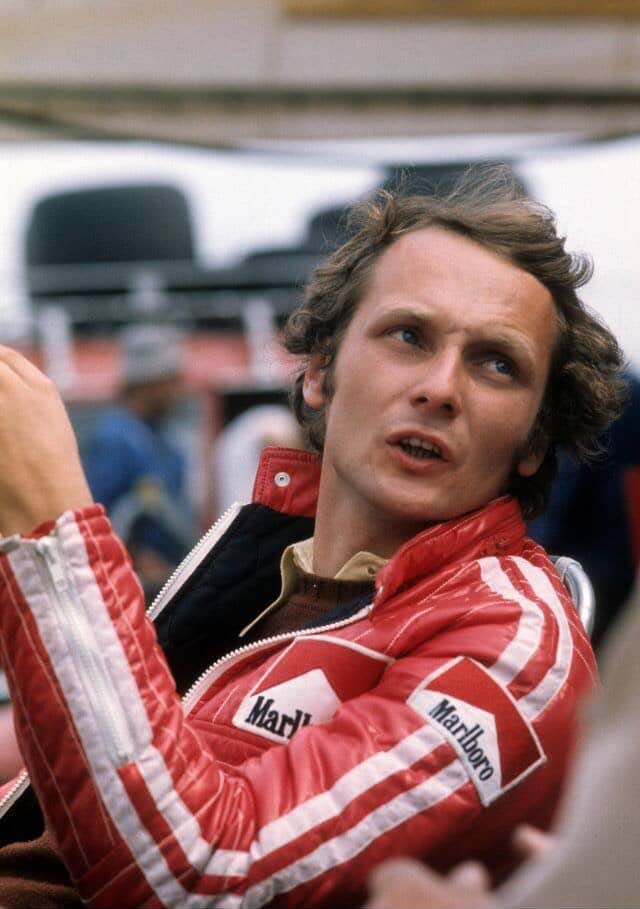
We begin our journey in the late 1960s and early 1970s, when hints of our modern look began to arise. F1 was quickly modernizing and growing in popularity. As sponsors started flowing in, an era of safety and continuity quickly followed; drivers began taking their own safety more seriously with Nomex fire-retardant suits and the paddock uniform became normalized. Teams wanted to look organized and sophisticated, just as athletes in any other sport. These suits began with a purely functional basis: uniformity in the team’s colors and nothing more. However, as these uniforms evolved and more sponsors bought into F1, logos began to find their place on these previously-bland uniforms. Arguably the most recognizable jackets from this era were the Ferrari leather jackets — not only did the bright red heritage of Ferrari stand out, but they were photographed often and worn by one of the defining drivers of the era, Niki Lauda.


A Global Superstar
As the late 1980s and early 1990s approached, Formula 1 became truly global, televised across the world. With more cameras surrounding races than ever before, new opportunities for brand exposure quickly followed. Suddenly, pit crews and post-race interviews received substantial screen time and sponsors began to recognize the value in visible surfaces. At this point, no driver could leave their car without becoming a walking billboard. As post-race interviews grew more common, drivers began wearing jackets over their suits — particularly for teams with lighter colors or suits that showed dirt easily after Sunday’s race—ensuring sponsor logos remained clearly visible on camera.
Racing Style, Reimagined
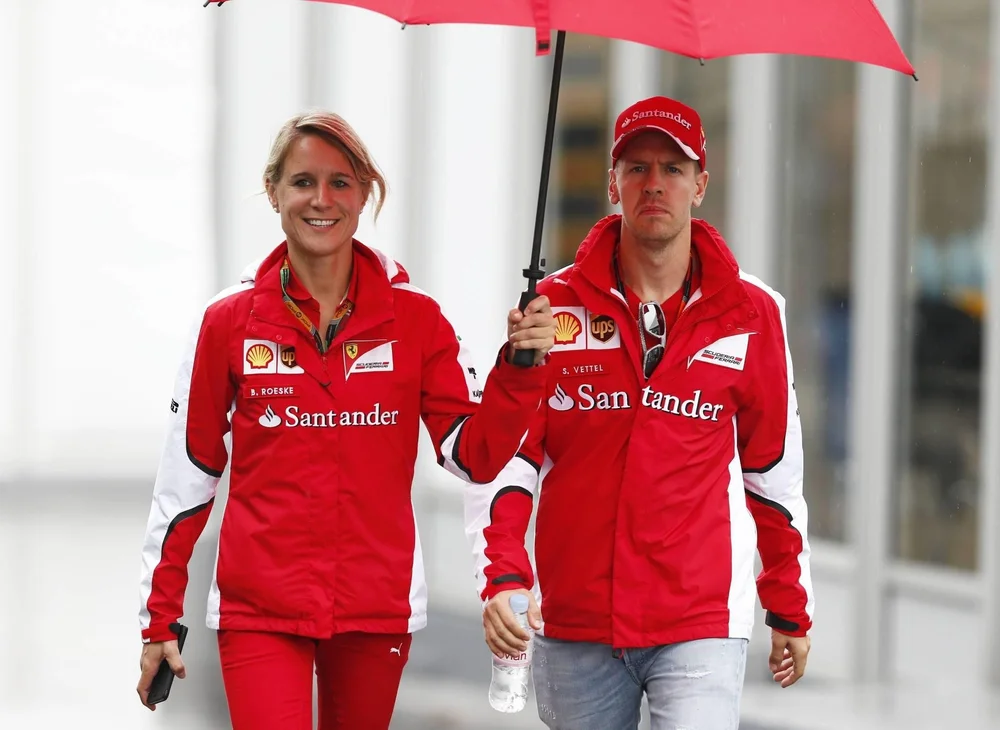
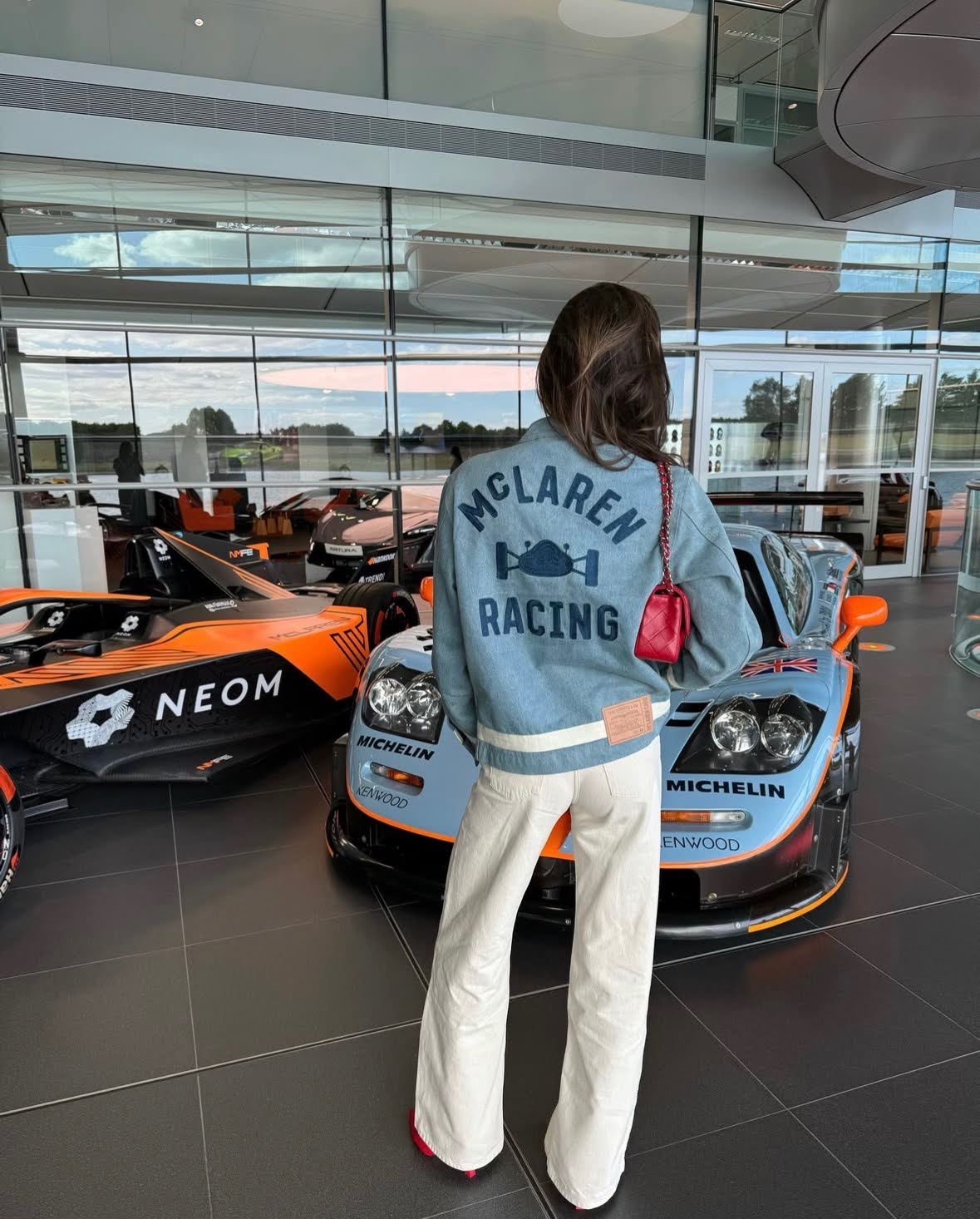
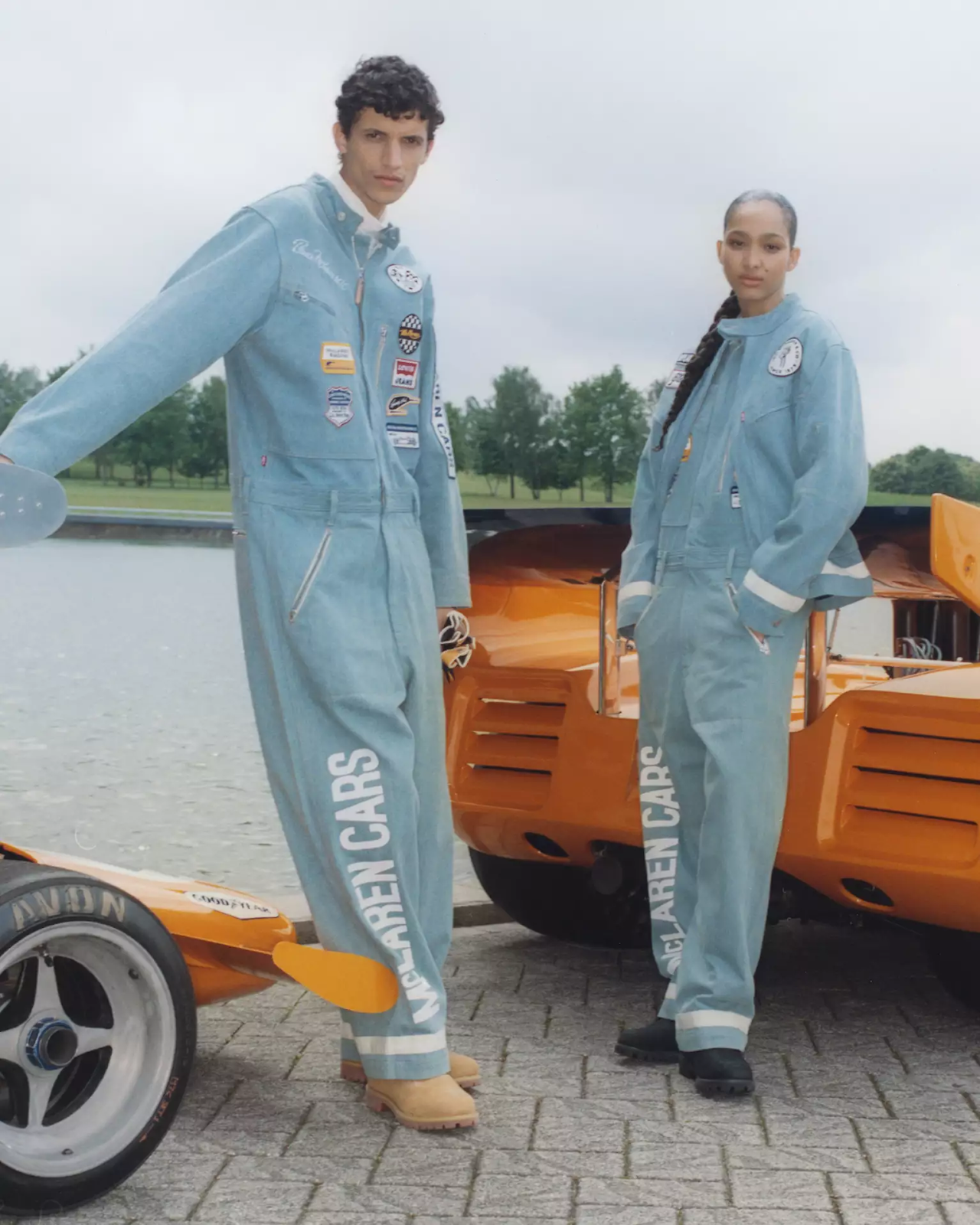
Now the racing jacket has truly made its way off the track and into our daily lives. In the modern paddock, the heavy leather and cotton pieces of earlier decades have largely been replaced by lightweight soft-shell jackets, worn across entire crews to create a unified, sponsor-covered team uniform. Yet even as the garment has become more technical within the sport, its visual identity has continued to grow more recognizable. The 2020s have truly seen the racing jacket become one of sport’s greatest fashion exports, with people entirely independent of F1 styling and wearing them. Collaborations like Levi’s partnership with McLaren and projects such as Tommy Hilfiger’s long-running work with the Mercedes F1 team show just how easily the look has crossed into contemporary fashion. What once functioned as practical team gear and later as a moving billboard for sponsors has now transported visual language from the racetrack to the city streets.

In the spirit of fashion x F1 collaborations, we’re proud to announce that Circle of Fashion will be partnering McGill Formula Electric to share the racing aesthetic with McGill and beyond. What will begin with a series of F1 inspired articles and posts will evolve into the creation of several designs — shirts, jackets, and possibly even a limited production run for anyone ready to join the movement. Get ready. Stay tuned. The best is yet to come.