
“When she tries to copy my style but doesn’t know this will cause bankruptcy.”
Maybe you’ve seen the video. A young woman stands, waving a lacy fan as she presents her all-white outfit, sparkling pearl purse, and light beige suede boots, layers of fringe cascading down the calf. Her top: Isabel Marant—the same one worn by Bella Hadid as she walked the runway for Paris Fashion Week, SS2023. Here lies a perfect example of boho chic’s newest revival.


Bohemian chic has had many ebbs and flows throughout fashion history. The origins of such a bohemian style are still, as with much of history, debated.
In its early stages, its inspiration can be traced back to the nomadic lifestyle of the Romani peoples in the late 19th and early 20th century:a mass movement of people typically forced by economic necessity and/or persecution. Nonetheless, popular culture took pleasure in mystifying Romani concepts, or even hardships, and turning them into trends. Fleetwood Mac’s song Gypsy, and Stevie Nicks’beloved bohemian style serve as relevant examples of this.
Once a strong counterculture movement of the 60s and 70s, bohemian chic was a fashion movement intimately tied to political endeavours, most notably strong anti-war sentiment sparked by foreign involvement in the Vietnam War. Bold colours, flowing fabrics, and floral prints became representative of a generation of middle and working-class youth who opposed violence and resonated with different political social movements like free-love, feminism, and generally anti-establishment ideals.
Travelling in time to the current age, this fashion movement has garnered heavy internet attention. For us, a new boho chic trend has emerged, where the look no longer comes from the bottom up, and definitely no longer implies any anti-war sentiments. Instead, bohemian chic has become another symbol of the elite, stripped of colour, and furthermore, stripped of social awareness.
As boho chic reinvents itself into this new formation, the movement has become a cesspool of references to Indigenous and nomadic cultures all over the world.
Asian and Buddhist influences have been commodified by the world of boho chic and ‘natural fibre’ yoga in a new surge of young people looking for spiritual enlightenment through what they know: materialism. Afghan coats become the ’Penny Lane coat’, a wealth symbol for those who can afford the delicate furs and embroidery that boho chic entails. Arctic Indigenous Mukluk and Kamik boots lose their natural materials, along with their utility, now making use of synthetic suedes and costume leathers. Similarly, Inuit parkas are made into extravagant displays of wealth that exclusively serve the runway, as the original process of hunting and processing animal hide and fur is left behind for mass production. Most notably, the cut, pattern and embroidery style of the traditional Mayan huipil have become a brand staple for the fashion house Isabel Marant, rather than a cultural design.

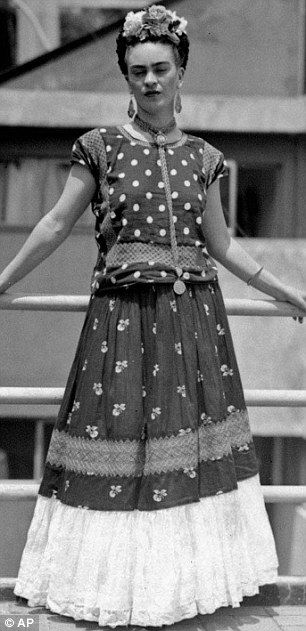
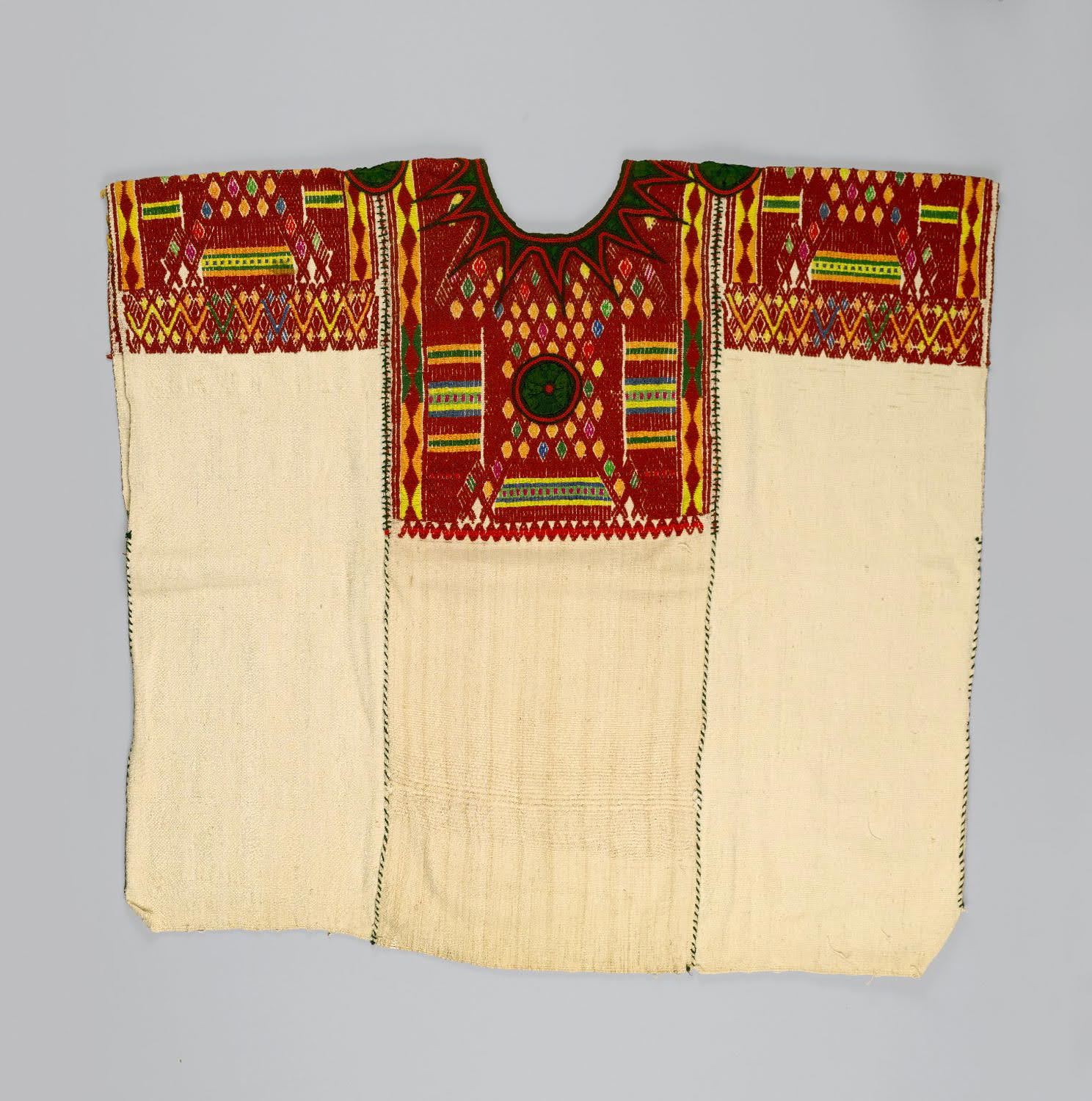
1930s or 1940s. Cotton, silk, 30 x 31 in.
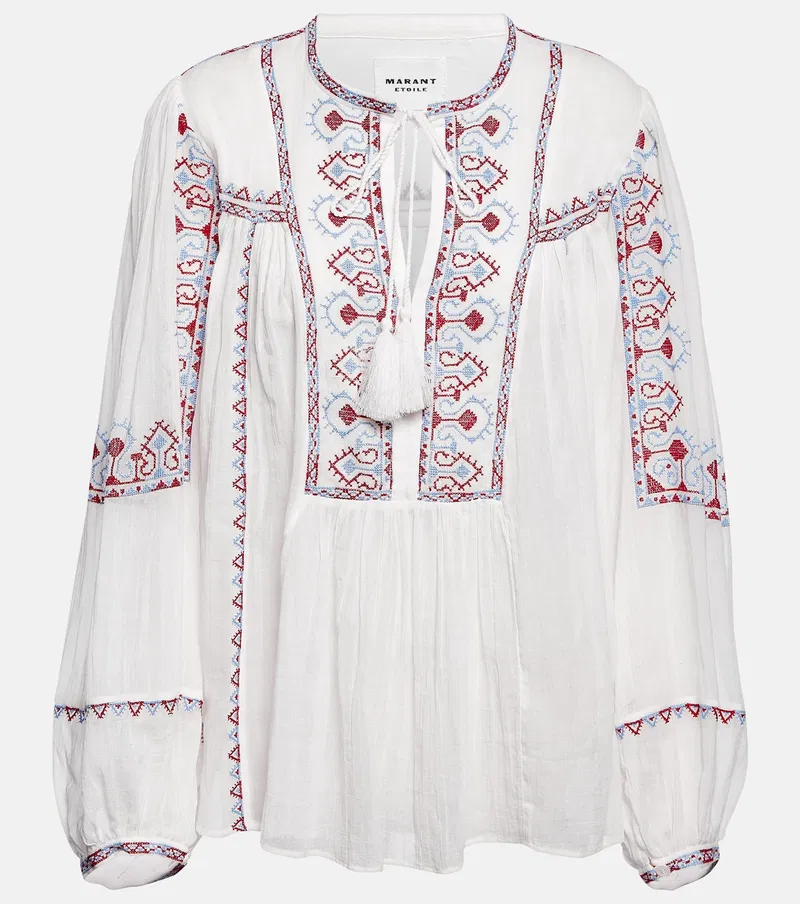
All these motifs, regardless of geographical origins, are borrowed and mixed into this multi-cultural bag that outputs clothing where the ability to trace its inspiration back to one initial origin is lost. Thus, as these cultural motifs lose their claims to history, they become free agents ready to be commodified by European designers like Isabel Marant. Marant herself has described her work as “tribal, without being too literal”. This description reveals the cultural inspirations and the intentions of the brand in using such inspirations, whether intentionally or unintentionally.
Along with understanding the style’s cultural origins, in this new wave of boho chic, the emphasis on colour has also been completely abandoned. Quieting down a previously loud colour palette forces the clothes to be recognized for quality, material, and technique in its place.
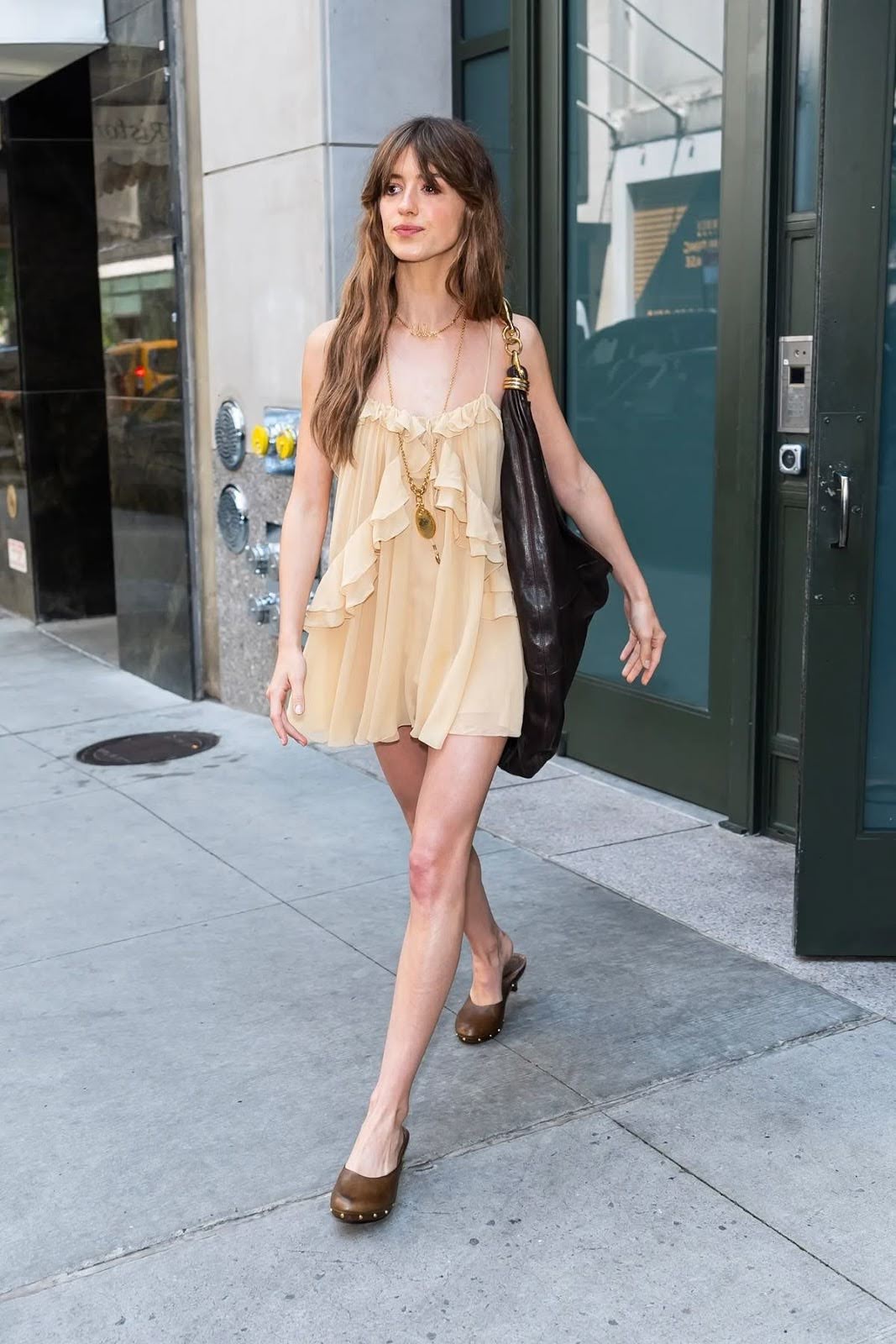
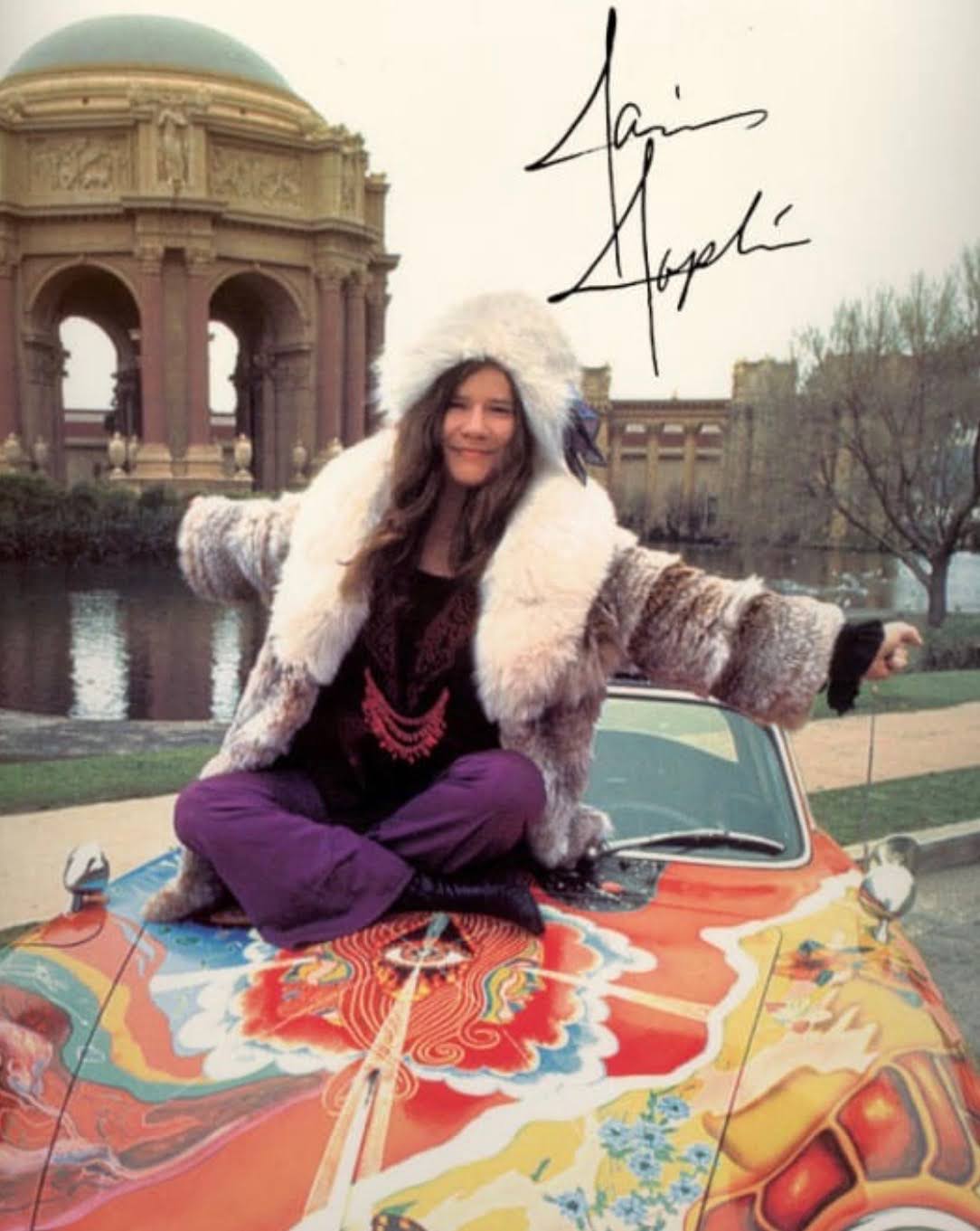
As bohemian chic is stripped of its colour, the style becomes visually less recognizable to the untrained eye, allowing those able to afford it to remain inconspicuous and exclusive. Natural fabrics, embroidery, beautiful beading, weaving techniques, feathers, and leathers, already expensive in our modern world, now take on a completely new fashion concept as they’re packaged as bohemian chic, becoming a new status symbol of luxury and wealth.
So, can you really hate the woman who claimed her style causes bankruptcy online, when she’s only saying the quiet part out loud? She’s right— bohemian chic is now in the hands of the ultra wealthy, and our own internet use isn’t innocent in this rebirth. As Gen Z strives for individualism and exclusivity, we have to be prepared for more fashion movements to thrive off of the idea of being elite alone, absent of any cultural histories or viable meaning.