Written by Sam Knowlton, Edited by Léah Champagne
Late last year, Ralph Lauren won the CFDA Women’s Wear Designer of the Year award. His first major CFDA win in years, and an interesting full-circle moment for a designer who claimed the same prize at the very first CFDA Awards over 4 decades ago in 1981. For a brand so often associated with menswear codes and the classic “masculine aesthetic”, it’s notable that this latest recognition celebrates the strength of the women’s collections specifically.
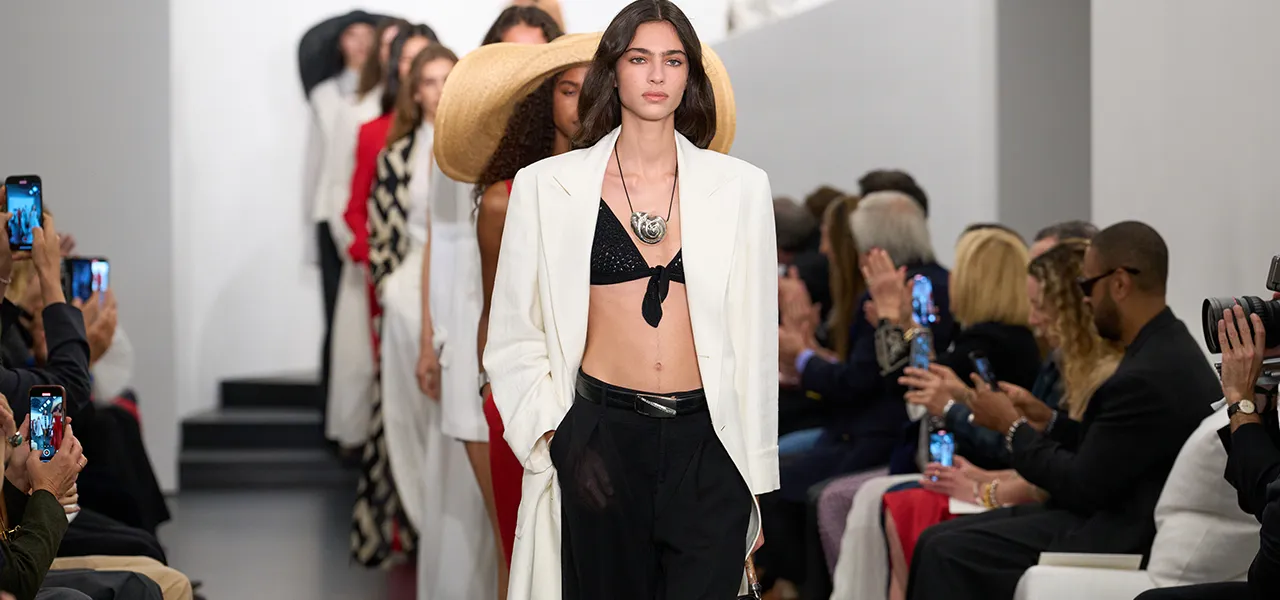
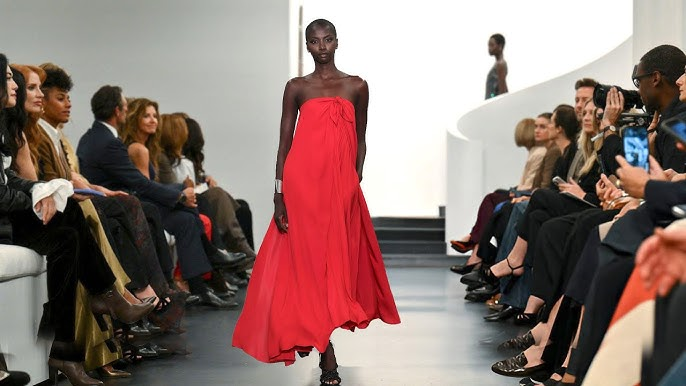
The win feels particularly prevalent when you consider it follows what is arguably Ralph Lauren’s strongest showing in years. The Spring/Summer 2026 collection garnered a standing ovation and an overwhelmingly positive critical response. The collection felt like a masterclass in confidence, with the brand doubling down on what Ralph is known for, specifically that clean and effortless American luxury the house has been perfecting for decades.
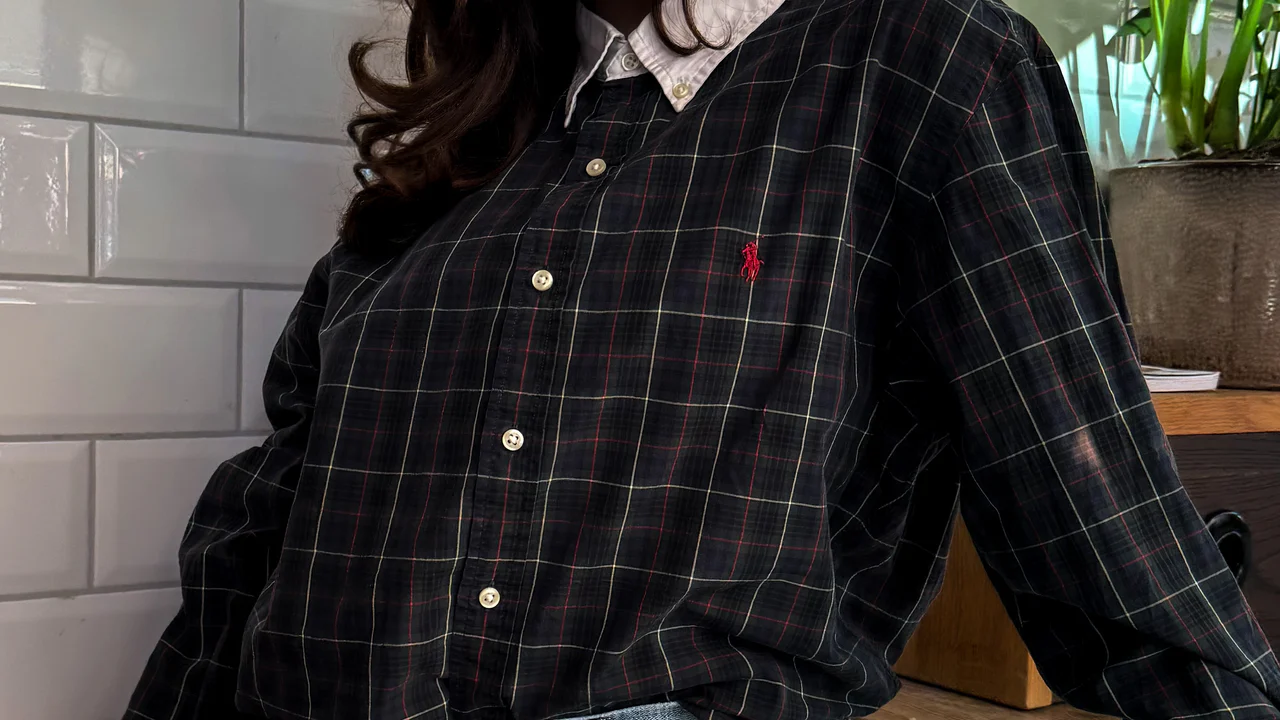
It’s true that Ralph Lauren has had its cultural moments recently, shifting the brand from its usual consistent, yet not overbearing, position to something closer to the forefront of the fashion world. The shift has been subtle but undeniable, accumulating through a series of high-profile moments that suddenly made the brand feel ‘new’ again. Take the Ralph Lauren dress that went viral after Taylor Swift wore it in her engagement photos. Nothing too fancy, but a piece pulled straight from their website that had waves of Swifties scrambling to recreate the look. Even considering the brand’s presence on TikTok, vintage Polo pieces and cable knits are suddenly flooding the For You page. Funnily enough, it’s exactly these foundational pieces that Ralph Lauren built its reputation on. Even something as silly -and controversial- as “Ralph Lauren Christmas” is becoming a microtrend with people styling their holiday season around the brand’s preppy-chic aesthetic. These aren’t manufactured moments; they’re organic cultural recognition of what the brand does so well.
The Power of Not Chasing
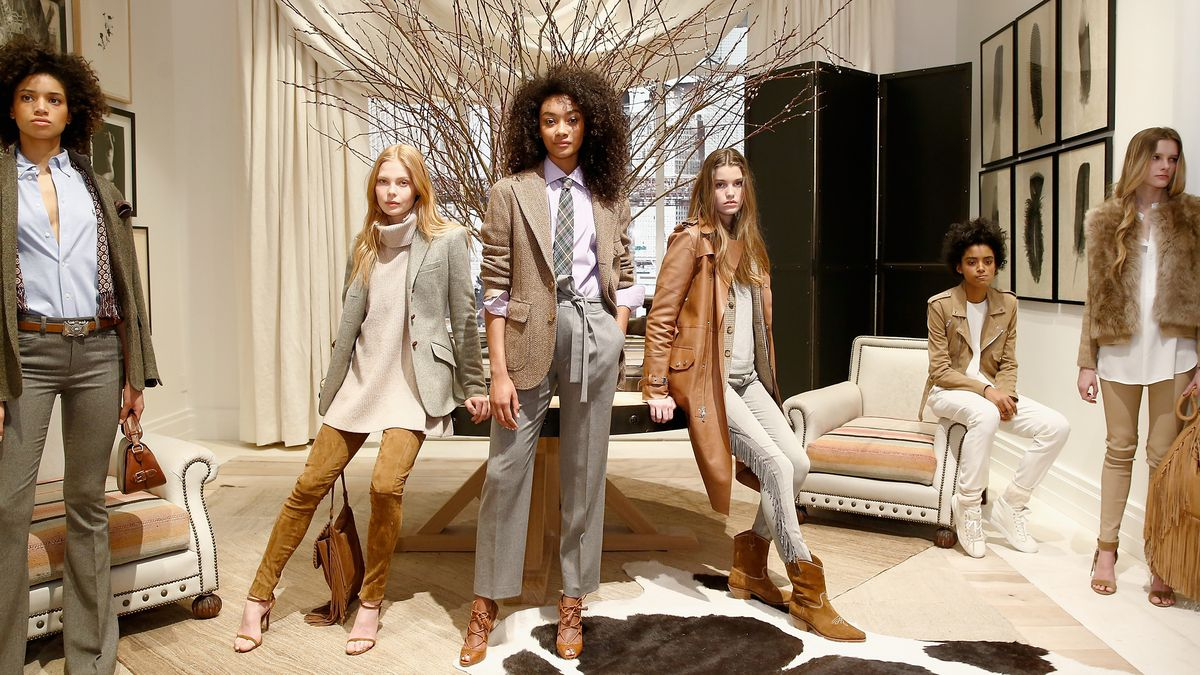
Here’s what’s interesting about Ralph Lauren’s current moment: they didn’t really change course to get here. While other brands pivot seasonally and chase micro-trends, Ralph Lauren has maintained its vision with an almost stubborn consistency. And, in a fashion landscape that’s become increasingly loud and reactive, that consistency now feels like confidence rather than stagnation. It’s the staying on course that’s finally being properly celebrated rather than overlooked.
We’re learning that sometimes the smartest move is to stay true to what you do well and let the culture come back around to you. It’s a privilege that comes with having such a strong foundational identity, and Ralph Lauren is leveraging that perfectly. They didn’t need to reinvent themselves. Rather, they just needed to wait for everyone else to remember why their method has always worked, and it appears that the space is starting to remember.
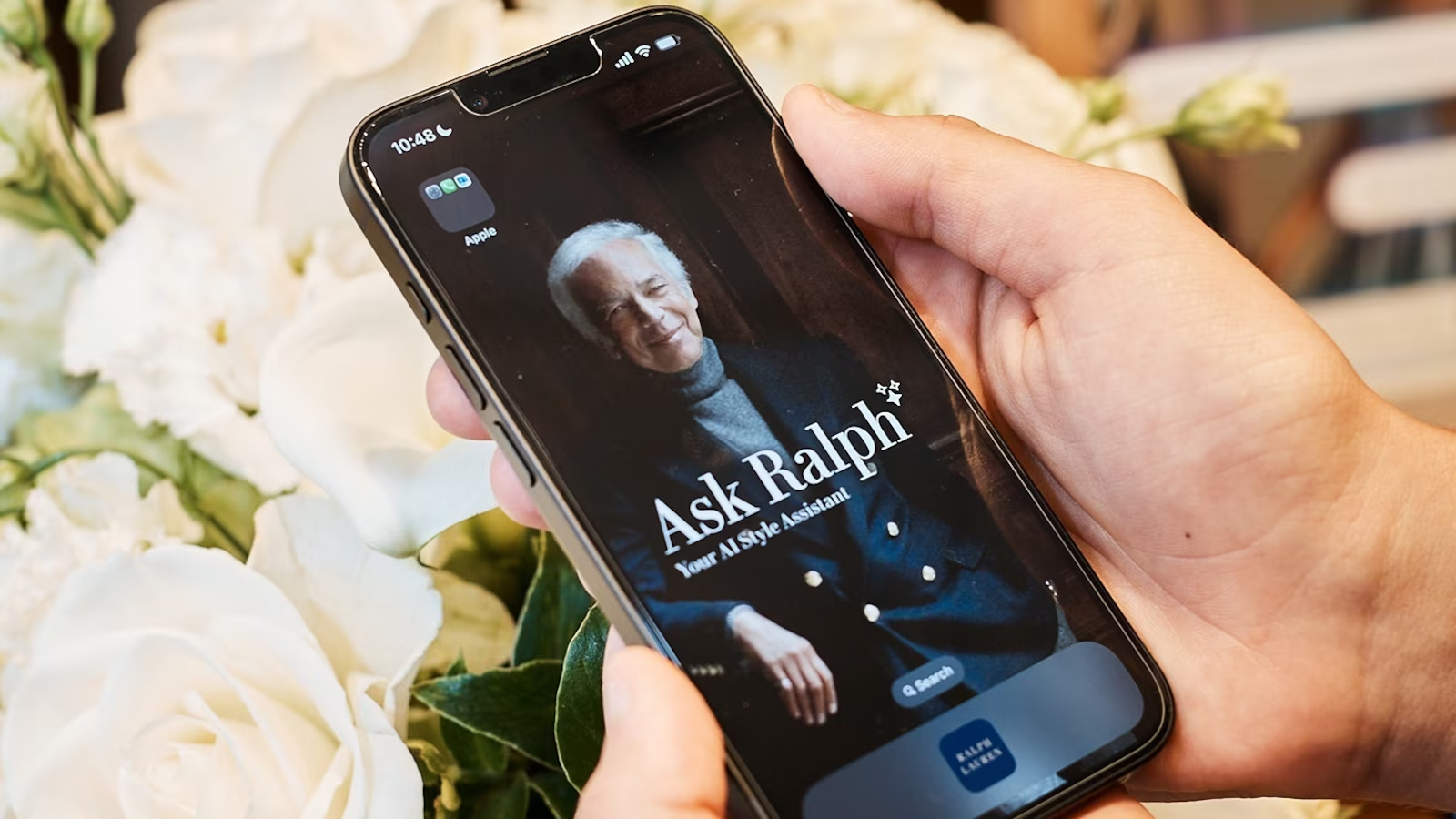
What adds another layer to this story is how the brand is quietly innovating within its established framework. Rather than changing its style identity, Ralph Lauren is taking steps in other areas. The “Ask Ralph” AI feature might seem like an irrelevant or flashy detail, but it represents something larger. For those unfamiliar, it’s essentially a digital styling assistant that helps users put together outfits using Ralph Lauren pieces. It’s a willingness to experiment with how people engage with the brand while maintaining what makes Ralph Lauren distinctive. I, for one, am very excited to see how this experiment shakes out. While there’s a decent chance it’s a short-term flash in the pan, there’s a chance this kind of build-your-outfit AI template could take off on a wider scale.
If you were to ask me where this leaves Ralph Lauren, I’d say they’re in a surprisingly strong position. They’ve managed to reclaim cultural relevance without sacrificing their identity, and their recent CFDA recognition feels like confirmation of something that was already growing in the background for a while now. The problem, as we’ve seen with other legacy-focused brands, is getting overzealous and risking the essence of what was working for them originally. But Ralph Lauren has the advantage of being the original rather than an imitation, and that authenticity might be exactly what keeps this moment feeling genuine rather than manufactured. Where the brand goes from here, in my opinion, is the most interesting part. While they’ve shown proactive strides as of recently, maintaining such a cultural foothold in such a fast-paced industry is tough, if not impossible. As long as they don’t chase the noise, I think we’ll be seeing Ralph Lauren in the forefront for a little while longer.