Written by Sam Knowlton
Edited by Léah Champagne
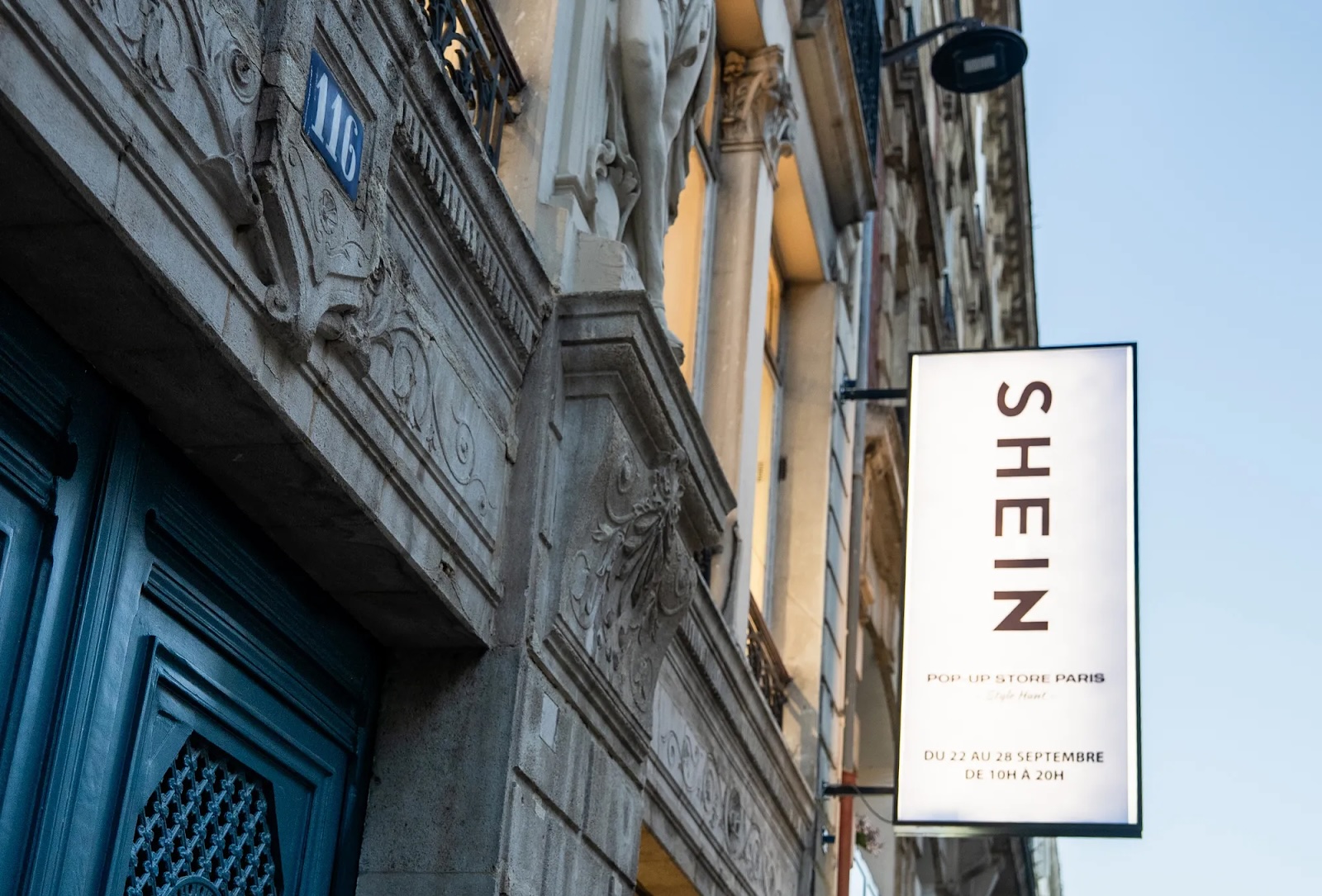
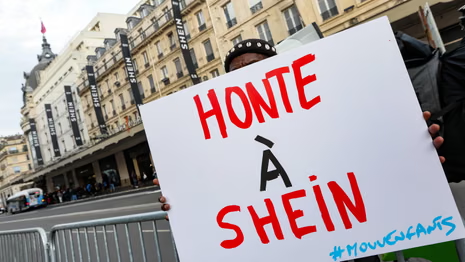
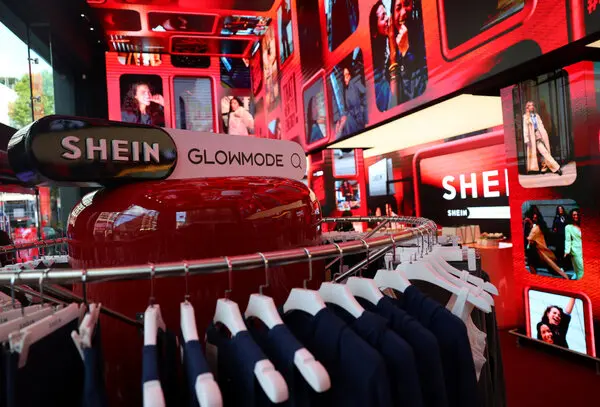
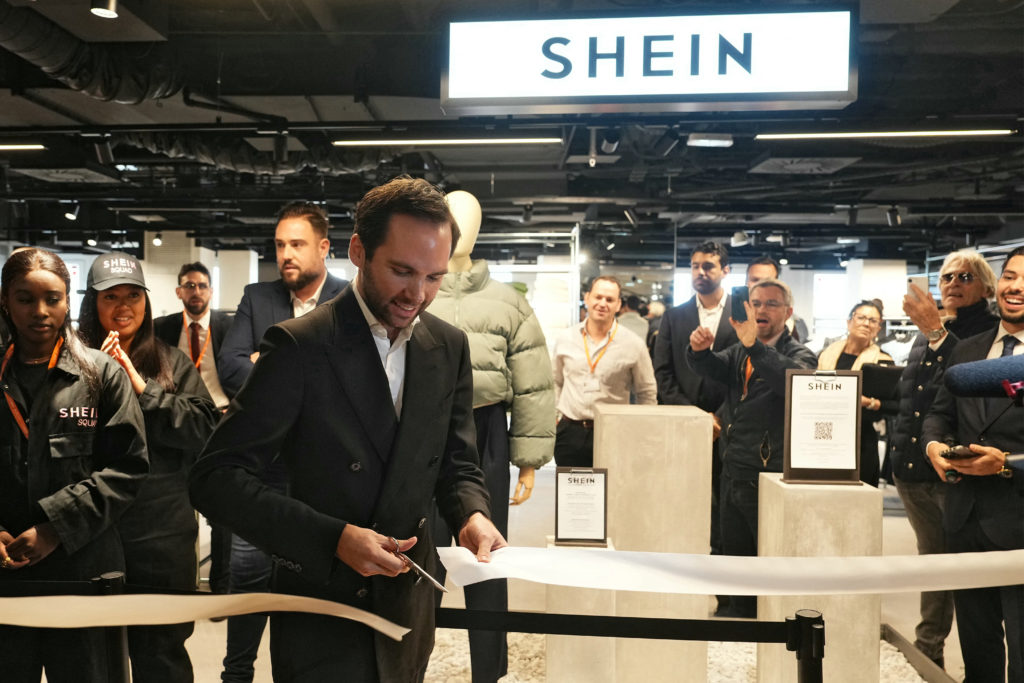
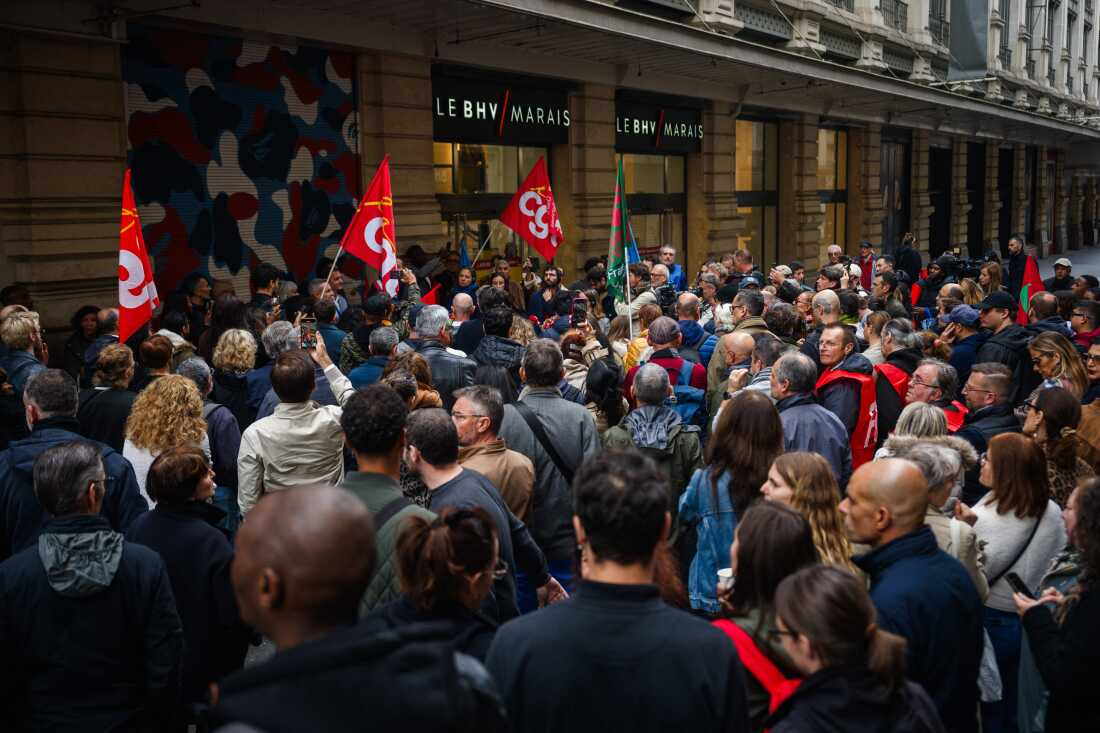
A long line outside a department store is not headline-worthy in Paris, unless that line forms not for a luxury store, but for SHEIN. When the fast fashion giant opened its first permanent physical location inside the department store BHV Marais this month, both shoppers and protestors showed up in full force. The result was a moment that felt unusually revealing: a brand born online stepping onto one of fashion’s most symbolic stages, and becoming the center of a very public debate in the process.
Both excitement and anger overcrowded the store’s unveiling. The split reaction neatly summarizes the fashion industry’s current identity crisis. On one side: affordability, ease, and trend access at record speed. On the other: sustainability concerns, threatened local businesses, and a fear that creativity is being replaced by algorithmic repetition.
But the question is, why now?
SHEIN’s decision is not some spontaneous brand experiment. It’s arriving right when global fashion is expected to cool into single-digit growth next year, with executives widely preparing for tougher conditions ahead. Consumers are now changing how they shop. According to McKinsey & Company, one of the world’s top global management consulting firms, consumers are spending less and making more value-driven decisions.
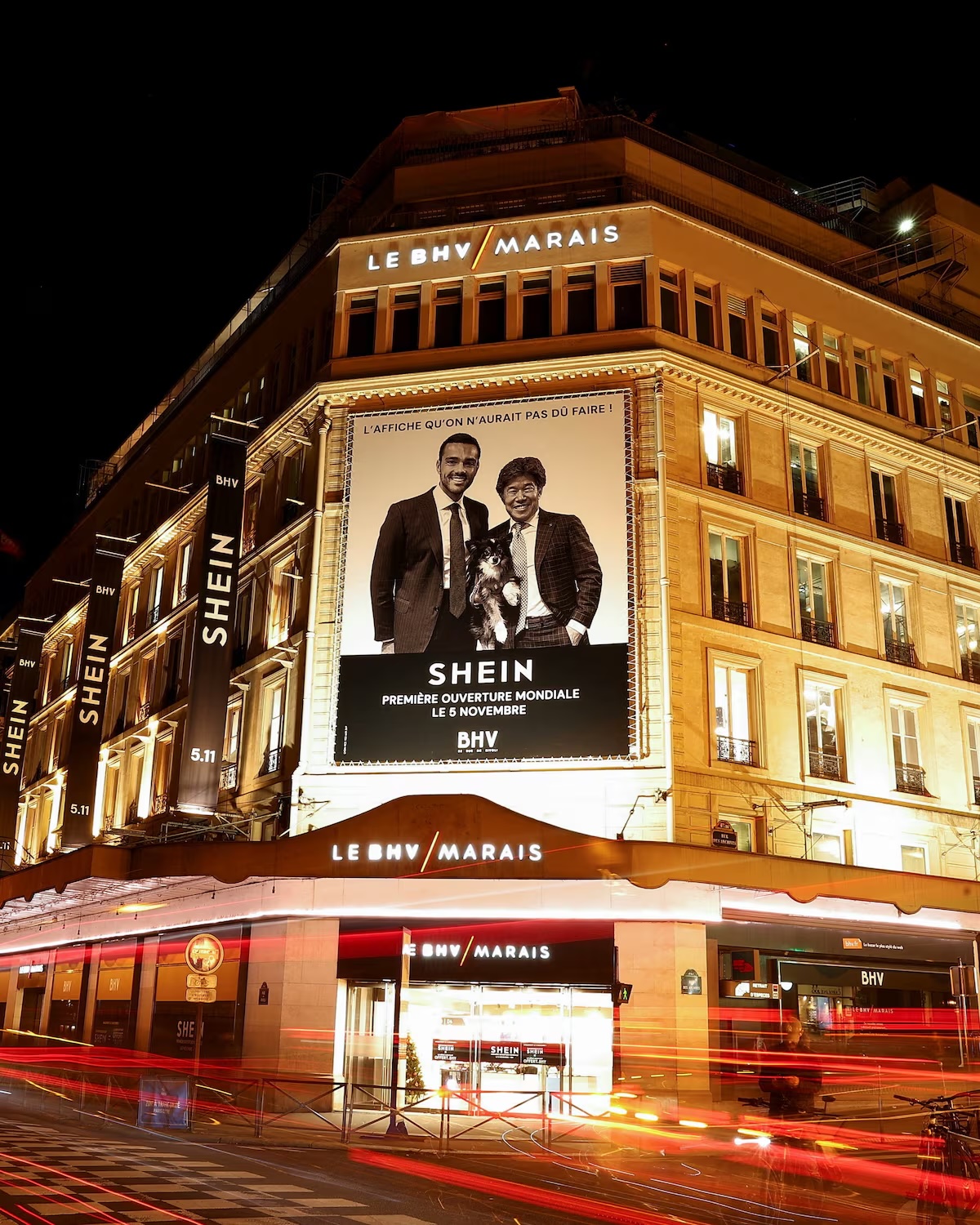
That shift plays directly into SHEIN’s strengths. Physical retail provides them with something online cannot: the reassurance of trying on pieces, the impulsiveness of being in front of the rack, and a more “legitimate” presence for shoppers who still hesitate to trust ultra-cheap clothing bought from behind a screen. For BHV Marais, the move is just as strategic. The storied French retailer has battled years of declining foot traffic and shifting shopper demographics. Bringing in a brand with enormous influence among Gen Z is somewhat of a lifeline. Early reports showed a noticeable uptick in visitors who did not stop at SHEIN, but instead continued browsing throughout the entire store. Both companies are chasing relevance, but from opposite ends of the market.
A cultural tension
The protests outside BHV were not spontaneous. They reflect the growing pressure on fast fashion’s environmental footprint, production scale, and impact on small businesses. Many French brands and policymakers view SHEIN as the clearest symbol of a disposable fashion economy, the opposite of the heritage craftsmanship Paris built its reputation on for decades. That tension leaves consumers caught in the middle. Even those who care deeply about sustainability still want to look good and stay on trend, without paying luxury prices.
What does this moment mean for us?
What this likely means is fashion’s future won’t be defined by a single trend or business model. Instead, we are likely headed toward a wider split in how people shop:
A convenience-driven wardrobe built quickly and cheaply, led by ultra-fast fashion vs. a slower, more thoughtful one defined by longevity, craftsmanship, resale, and personal expression.
SHEIN’s arrival in Paris does not necessarily declare a winner, but it widens the gap between the two fields. It begs the question of whether affordability outweighs ethics when the product is right in front of us, ready to take home. And judging by that crowd on opening day, the answer is not simple. The industry is slowing, yet the demand for “more, faster, cheaper” is louder than ever. In that contradiction sits fashion’s most uncertain decade ahead. For now, the future of fast fashion looks like a busy sixth floor, and a sidewalk filled with people who are not ready to give up the fight.