Written by Charlotte Dominy
Edited by DeVoe
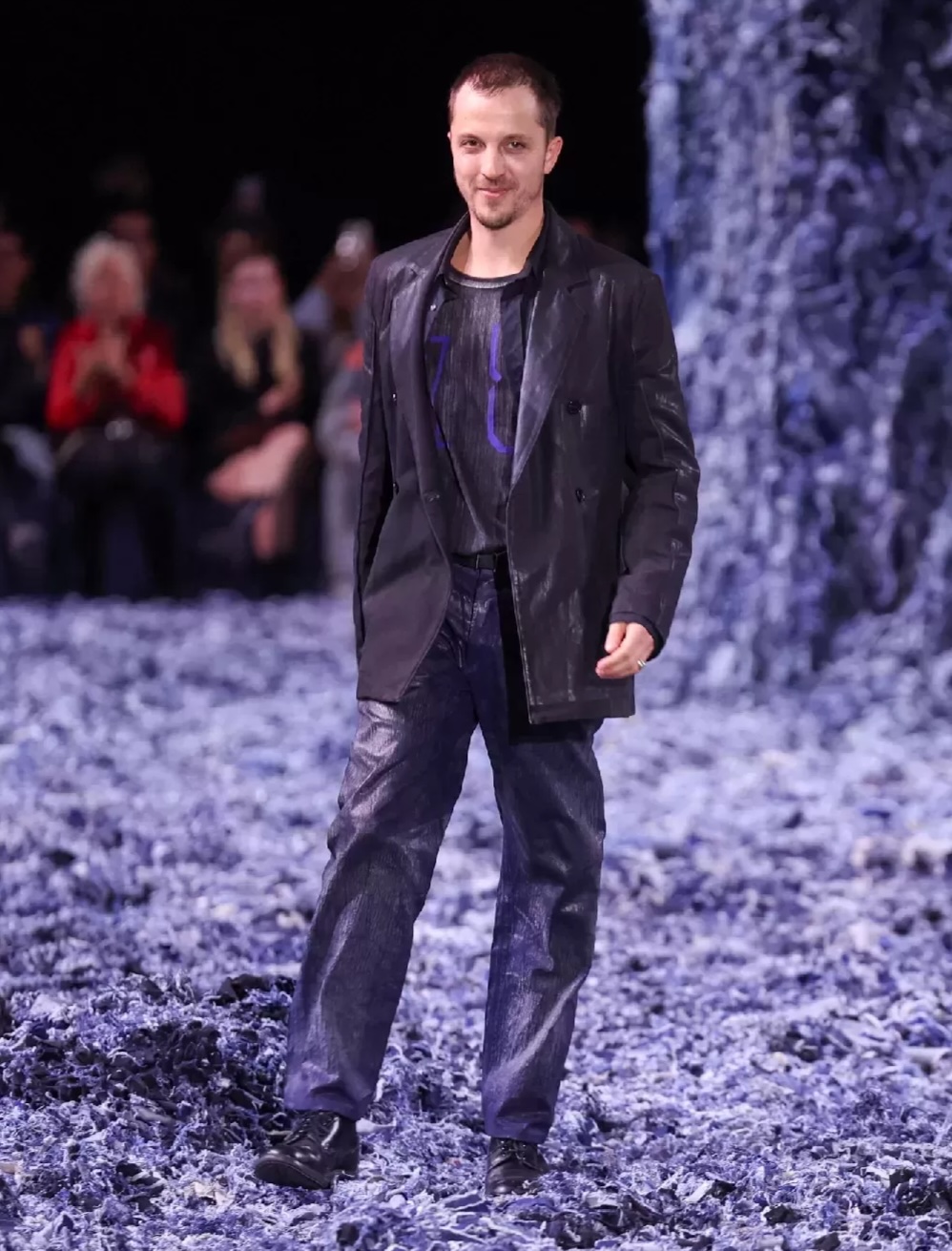
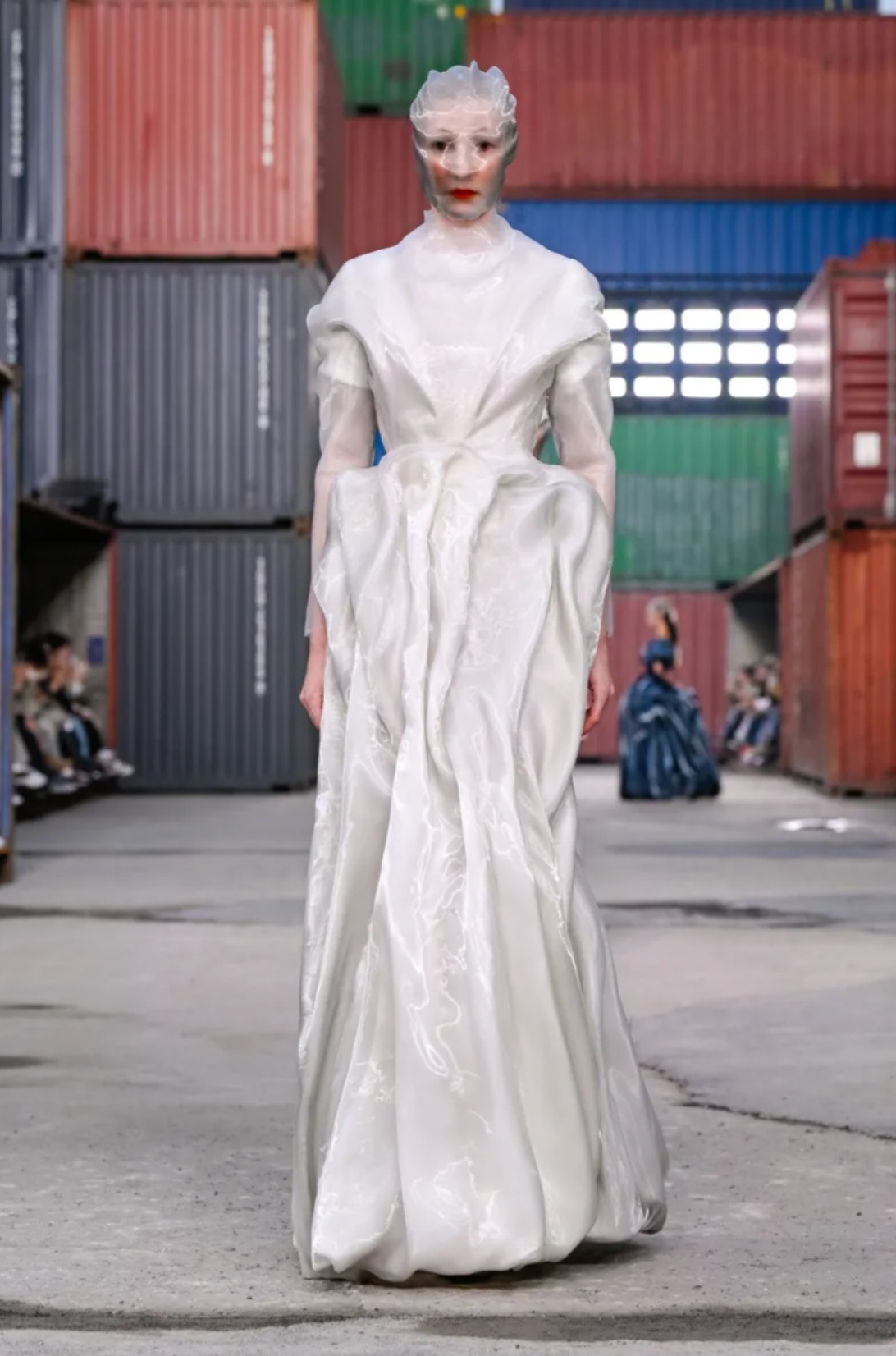
For his third show at Maison Margiela, Creative Director Glenn Martens took the fall/winter 2026 ready-to-wear and artisanal collection outside of Paris for the first time ever. Located on a trade port outside of Shanghai, shipping containers were arranged to form the runway, towering over attendees.
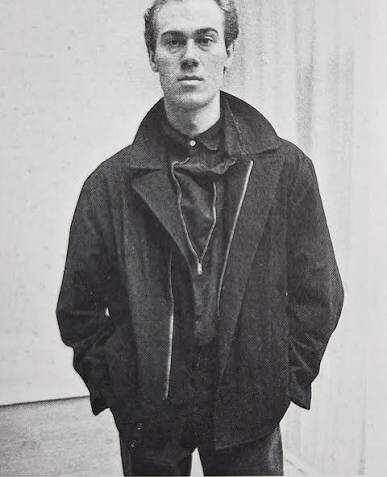

What makes a designer make an unprecedented decision? Artistic instinct? An ode to culture? Not in this era. Unprecedented decisions are made when the shareholders allow it.
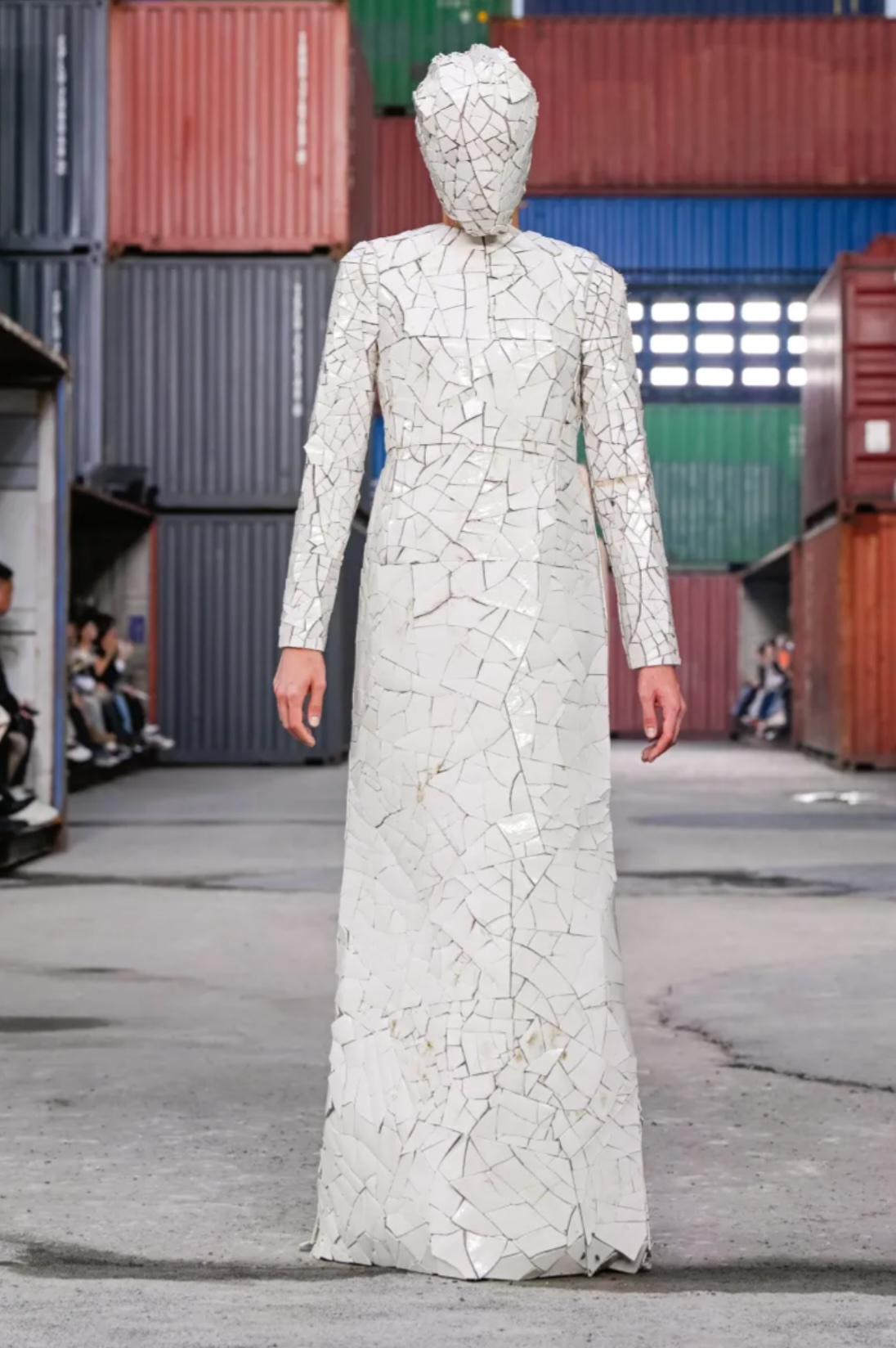
But that doesn’t mean an examination of the show’s creative thinking should be completely abandoned. Using the same creative upcycling process as the house’s founder, Martin Margiela, garments and paintings found at the bottom of Parisian flea market bins served as inspiration for the show, with some eighteenth century tapestries incorporated directly as fabrics. Combined with unconventional materials, these upcycled garments stimulated all five senses as models walked the runway. Goosebumps were sure to rise on viewers’ arms as they caught sight of models walking past in multi-layered, printed-glass organza dresses and masks. The broken edges of porcelain plates, sewn into the form of a dress, audibly scraped against each other and the concrete floor.
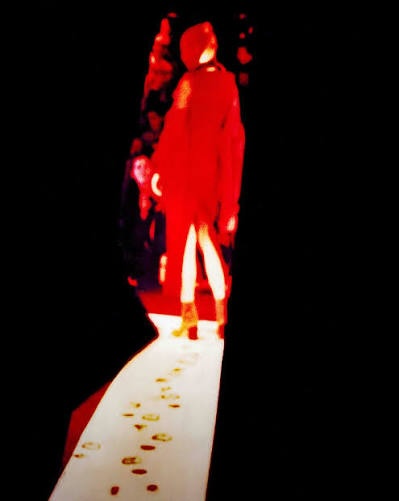
The appeal to senses may allude to Martin, whose first show also utilized the senses to make the audience participants in his performance art. Held in 1989, the show was located at an obscure cafe-theatre blocks away from the Louvre, where fashion week typically resided. In a very brief and understated summary of a show which deserves its own blog post: it subverted… well, everything. Anonymity controlled the scene. Commonplace physical invitations were traded for ambiguous telegram messages. Black kohl smudged over the models eyelids shrouded their identity in an industry on the verge of developing the supermodel. The clothing was deconstructed: visible stitches, visible patterns, roughed and ripped. This was a decision that was truly unprecedented in the luxury business. This was artistic instinct.
Whether using actual porcelain or glass organza, the china doll was a self proclaimed inspiration for Glenn Martin’s first show in Shanghai. The openness in explaining such inspirations (available directly on their Instagram or website), along with the spectacle found in the restricted movement of models in cage-like porcelain dresses, tells me Glenn Martin and the Maison Margiela team want us to believe this was pure artistic endeavour. To those willing to bite, the porcelain doll is an effective way of combining the historical and cultural identities of Europe and China.
While debated, Porcelain is thought to be the invention of the Eastern Han Dynasty, dating around 25-220 CE. It would take centuries for Chinese porcelain to reach Europe. Some earlier mentions of porcelain appear in written records, but the start of Chinese porcelain’s mass importation is marked by Portuguese trade with China in the sixteenth century. By the seventeenth century, more than three million pieces were in Europe, bought by elites.
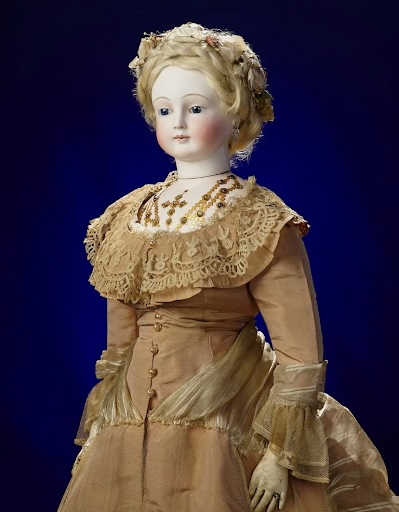
Only in 1708, after Ehrenfried Walther von Tschirnhaus had developed a recipe on par with the Chinese competitor, did the production of china dolls begin in Europe. Germany thus became the first European producer of the china doll, followed closely by France, whose dolls adorned contemporary Parisian fashions. While China remained the highest-quality producer well into modernity, the porcelain doll became a toy inextricably bound to the trending fashions of Paris and Europe.
But the move to Shanghai is clearly a choice that panders to a fast growing market sector, and who can blame him? Chinese consumers was predicted to account for 90% of growth in the luxury industry in 2019. While pre-lockdown levels of growth remain out of grasp, the last few months of 2026 reflect rebounding growth. Maison Margiela isn’t the only house placing their faith in the Chinese market either. Jonathan Anderson’s Couture commonly utilises east asian motifs for the same reason this show references the porcelain doll, to design for the client who pays.
Being transparent about the designer’s inspirations seems to be the new pattern of high fashion houses in their attempts to strengthen audience attachment. The garment is assigned value through the amount of intellectual labour demonstrated to produce the piece. If a designer’s inspirations are no longer dependent on artistic instinct, they become outgrowths of corporate interest. References turn hollow, and inspirations become manufactured. Yet, the industry is desperate to spell things out for us. Paradoxically, the overshare makes it meaningless.